Commentaires
Fueling the future with natural gas
28 août 2025
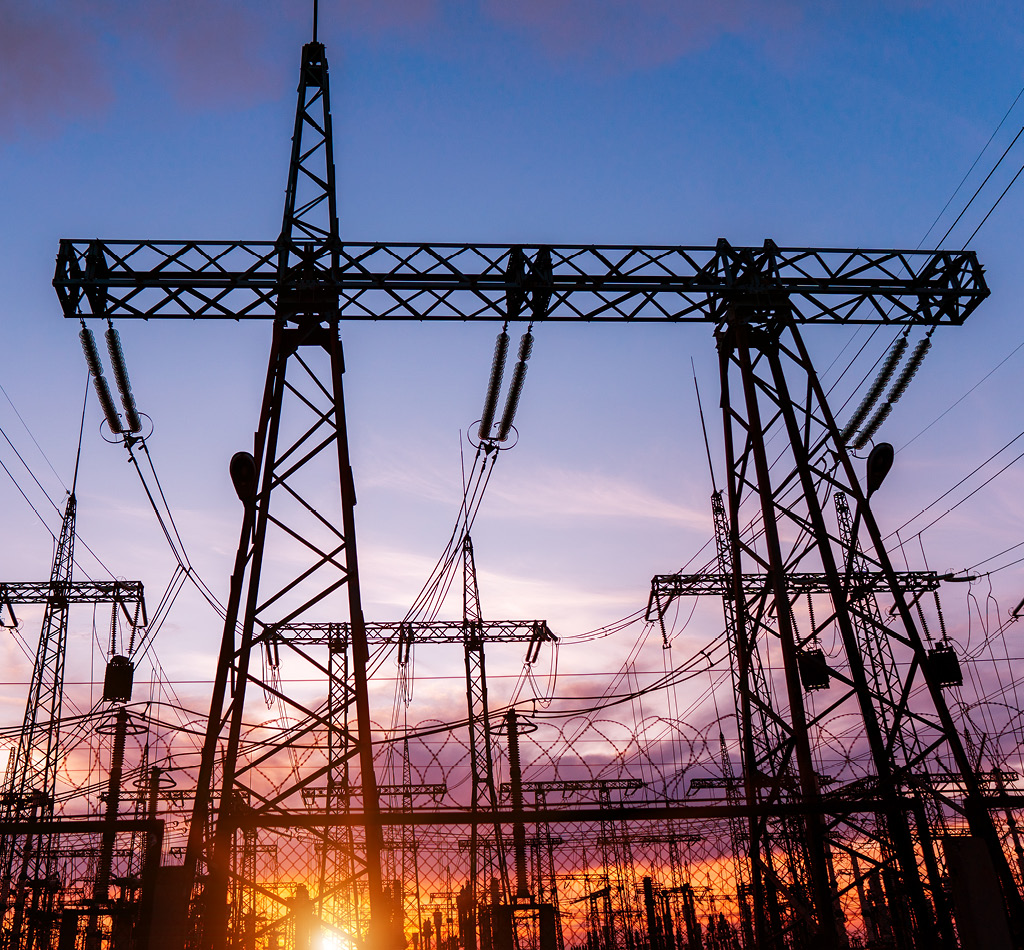
The explosion of cloud computing and especially AI training requires enormous amounts of power. A single, large data centre can use as much electricity as a mid-sized city. The Southeast United States (Georgia, Virginia, Texas) is seeing the heaviest concentration of new projects, but it’s spreading nationwide. Hence, utilities in the United States have more than doubled their planned gas turbine installations for 2030 – from about 25 GW at the end of 2021 to over 45 GW by the end of 2024 with nearly 100 GW of new gas-fired capacity in pre-construction.
The US Energy Information Administration (EIA) reports that US marketed natural gas production in 2024 averaged about 113 billion cubic feet per day (Bcf/d).
Gas demand increase
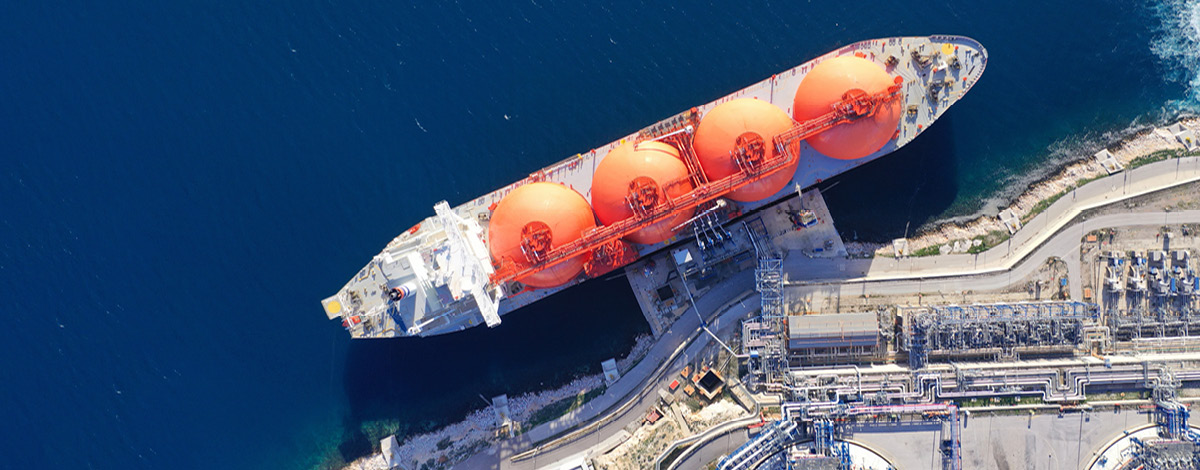
The production of 100 GW of energy requires about 2.3 Bcf/day of natural gas – this adds a 2% bump to national gas requirements. A larger increase in gas demand, however, comes from liquified natural gas (LNG) exports. By 2028, US LNG export capacity is forecast to nearly double, increasing from around 11.6 Bcf/d to 24.4 Bcf/d, thanks to approximately ten LNG infrastructure projects under construction.
Pushed by international buyers, gas demand will increase in the fall of 2025 as the Golden Pass LNG terminal, located in Sabine Pass, Texas, comes on-line with an approximate transportation total of 2.57 Bcf/d of natural gas. This adds to the large Plaquemines project in Louisiana at 2.6 Bcf/day that began in 2024, and LNG Canada’s new Kitimat facility with capacity of 1.1 Bcf/day.
Key growing importers of LNG remain Europe at 14.4 Bcf/day and China at 9.5 Bcf/day.
It is sensible to form a positive opinion on natural gas prices in the midterm as we fill up these new, large LNG terminals. US gas inventory is not very big so it can show volatility in the short term. Due to high turnover of inventory, seasonal weather conditions impact short-term pricing of gas demand, causing more price fluctuation.
Because LNG is becoming such an important demand driver, competing electricity-producing energy technologies do not represent short- or mid-term risk to natural gas demand. For example, US lithium-ion battery capacity stands at a mere 26 GW.
However, the future does include other technologies. We recently met a nuclear power company with a project cost estimated at $3 million per megawatt for nuclear fission – we await their final feasibility with anticipation. And as we have written in the past, we remain positive on geothermal energy. Recent developments continue to drive down costs to make geothermal anywhere a reality.
We remain exposed to natural gas producers who will profit from the incumbent LNG export demand.
Gulfport Energy Corp. (GPOR US)
Gulfport Energy is an independent exploration and production company, primarily operating in Eastern Ohio’s Utica and Marcellus Shales in the Appalachian Basin.
The Marcellus Shale is the largest gas field in the USA and stands out as it combines huge scale, low costs, proximity to markets and strong infrastructure. It is often described as the “workhorse” of US gas supply. Although the Haynesville Shale is closer to Louisiana LNG facilities, the Mountain Valley Pipeline (2Bcf/day) which started in 2024, is opening up important markets to Marcellus operators. The Marcellus field is especially suited for higher priced areas in the Northeast which include many high-tech hubs and data centre activity.
Gulfport Energy foresees excess EPS growth in 2026 as strong cash flows support share buybacks. Breakeven under USD2/Mcf suggests strong resilience to price volatility.
Advantage Energy Ltd. (AAV CN)
Advantage Energy is the lowest-cost producer in Western Canada. Advantage Energy’s Montney Shale gas basin (Alberta side) has some of the lowest supply costs in North America. It regularly reports supply costs in the CAD1.00–1.20 per Mcf range, which means they can stay profitable even in weak gas markets where others struggle.
Advantage Energy does not just sell raw natural gas. The company is also invested in natural gas liquids (NGLs) production, which gives uplift when gas prices are soft.
In addition, Advantage Energy created and owns a cleantech arm, Entropy Inc., that is working on post-combustion carbon capture and solvent tech. This gives the company an ESG angle and potential new revenue stream.
Market access and hedging
Many Western Canadian producers get stuck selling into AECO, often at a discount versus Henry Hub in the United States. Advantage Energy has firm transport and hedges that give it access to the Chicago, Dawn and US Midwest hubs, narrowing basis differentials and cushioning cash flow volatility.
Subsea 7 SA (SUBC NO)
As gas exports reach ports of Europe, an entire infrastructure is being built.
Subsea 7 is a global leader in laying subsea pipelines for oil and gas, including natural gas export lines that run from offshore fields back to shore or to floating facilities. Their fleet includes specialized vessels that can handle gas export pipelines from deepwater fields, flowlines, umbilicals and risers.
If a big offshore gas project needs its subsea network built and tied back to shore or an LNG hub, Subsea 7 is often one of the short-list contractors called in to lay those pipes.
Subsea 7 also serves other growing energy segments such as offshore wind, carbon capture and hydrogen.
Clean Energy Fuels Corp. (CLNE US)
Clean Energy is North America’s largest provider of natural gas and renewable natural gas for transportation, operating over 600 fueling stations across the United States and Canada. Clean Energy has forged meaningful alliances with heavyweights like TotalEnergies, BP, Walmart, Amazon, UPS and others, enhancing both market access and credibility.
The company is set to grow rapidly as the transportation industry adopts a novel natural gas truck engine that will use a natural gas instead of diesel.